



Jamun _ Java Fruit Plant
- Regular price
-
Rs. 599 - Regular price
-
- Sale price
-
Rs. 599
Couldn't load pickup availability
Estimated Shipping Widget will be displayed here!
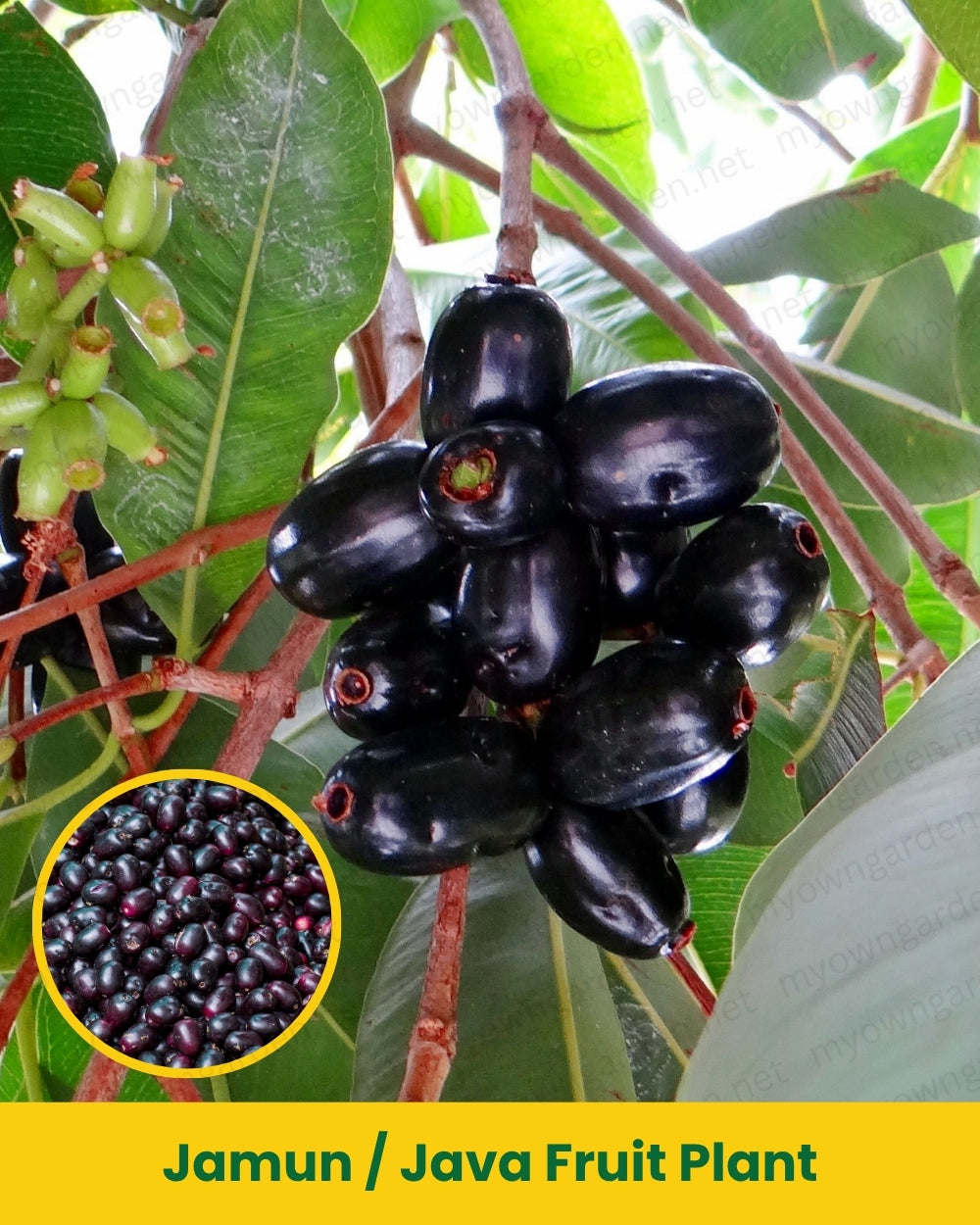
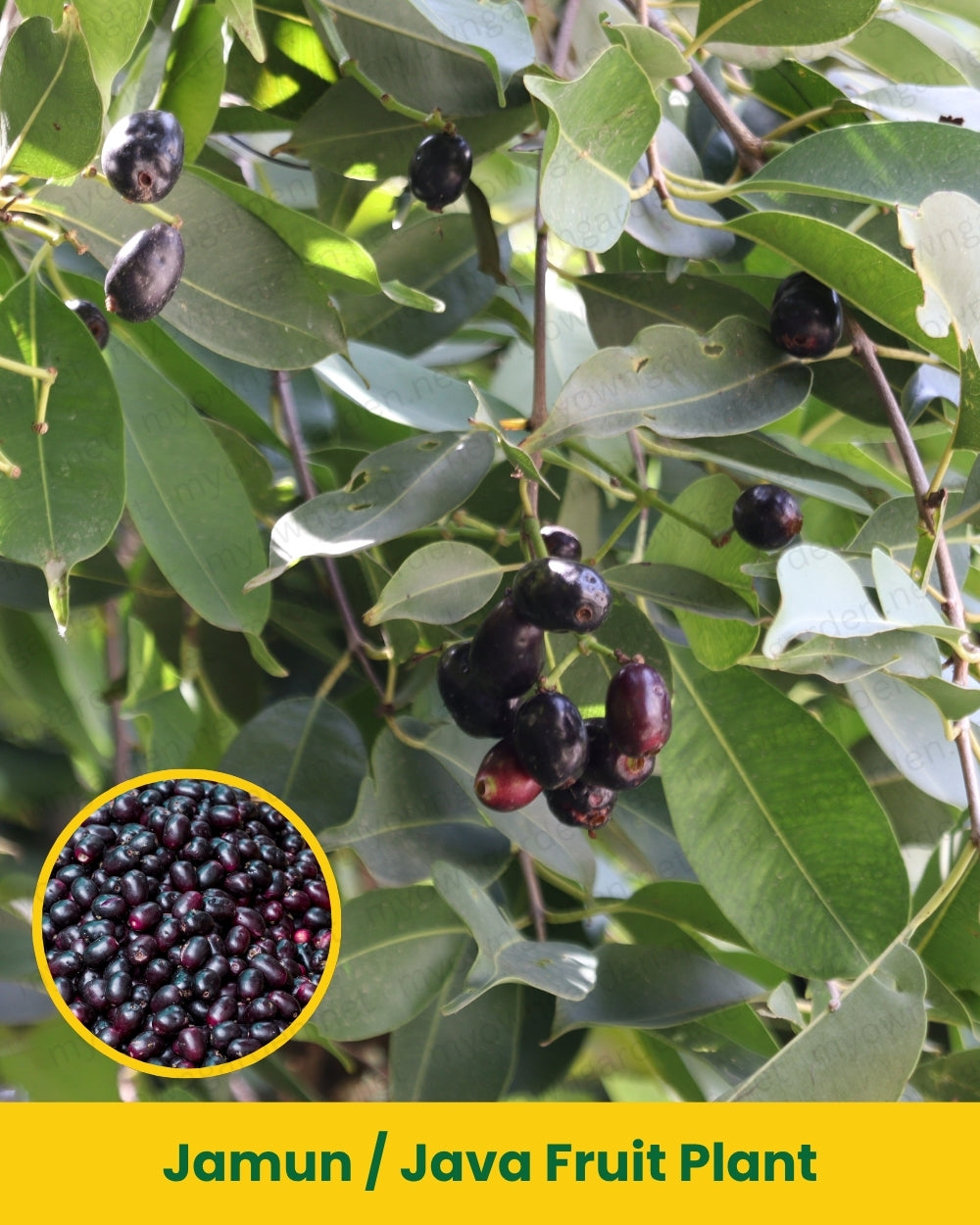

About the Product
The Jamun (Java Fruit) Plant – Grafted is a premium fruit-bearing tree that produces sweet, juicy, and nutrient-rich jamun fruits. Grafted plants are preferred for early fruiting, consistent quality, and higher yield compared to seed-grown trees.
Ideal for home gardens, terraces, balconies, and small farms across India, this tree thrives in tropical and subtropical climates, including Maharashtra, Karnataka, Tamil Nadu, Kerala, Gujarat, Andhra Pradesh, Telangana, and Punjab.
The Jamun tree is rich in vitamins, antioxidants, and minerals, making it perfect for healthy snacking and natural remedies. Its evergreen foliage and seasonal flowers enhance garden beauty while attracting pollinators to improve fruiting naturally.
Start enjoying chemical-free, homegrown Jamun fruits within 2–3 years with minimal maintenance. Perfect for anyone looking for a nutritious, easy-to-grow, and ornamental fruit tree.
3️⃣ Key Features / Specifications
| Feature | Details |
|---|---|
| Plant Type | Grafted Jamun (Java Fruit) |
| Fruit Taste | Sweet & slightly tangy |
| Fruiting Time | 2–3 years (grafted) |
| Plant Height (Delivered) | 1–2 ft sapling |
| Planting | Pot, terrace, backyard, small farm |
| Climate | Tropical & Subtropical – India-wide |
| Maintenance | Low to medium |
| Sunlight | Full sun (6–7 hours daily) |
| Soil Requirement | Well-drained fertile soil |
| Watering | Moderate; avoid waterlogging |
4️⃣ Usage / Applications
-
Homegrown fresh Jamun fruits for snacking
-
Terrace, balcony, and backyard fruit gardening
-
Juice, smoothies, and desserts
-
Ornamental tree with lush green foliage
-
Small-scale fruit farming across India
5️⃣ Customer FAQs
Q1: When will it start fruiting?
A: Grafted Jamun plants usually start fruiting within 2–3 years.
Q2: Can I grow it in a pot?
A: Yes, use a large pot with at least 18–20 inches depth.
Q3: How much sunlight does it need?
A: Full sun for 6–7 hours daily ensures healthy growth and fruiting.
Q4: Does it need regular pruning?
A: Occasional pruning helps maintain shape and improves airflow, which boosts fruit yield.
Q5: Is it suitable for all Indian climates?
A: Best for tropical and subtropical regions across India.
Are you a Chennai Customer?

